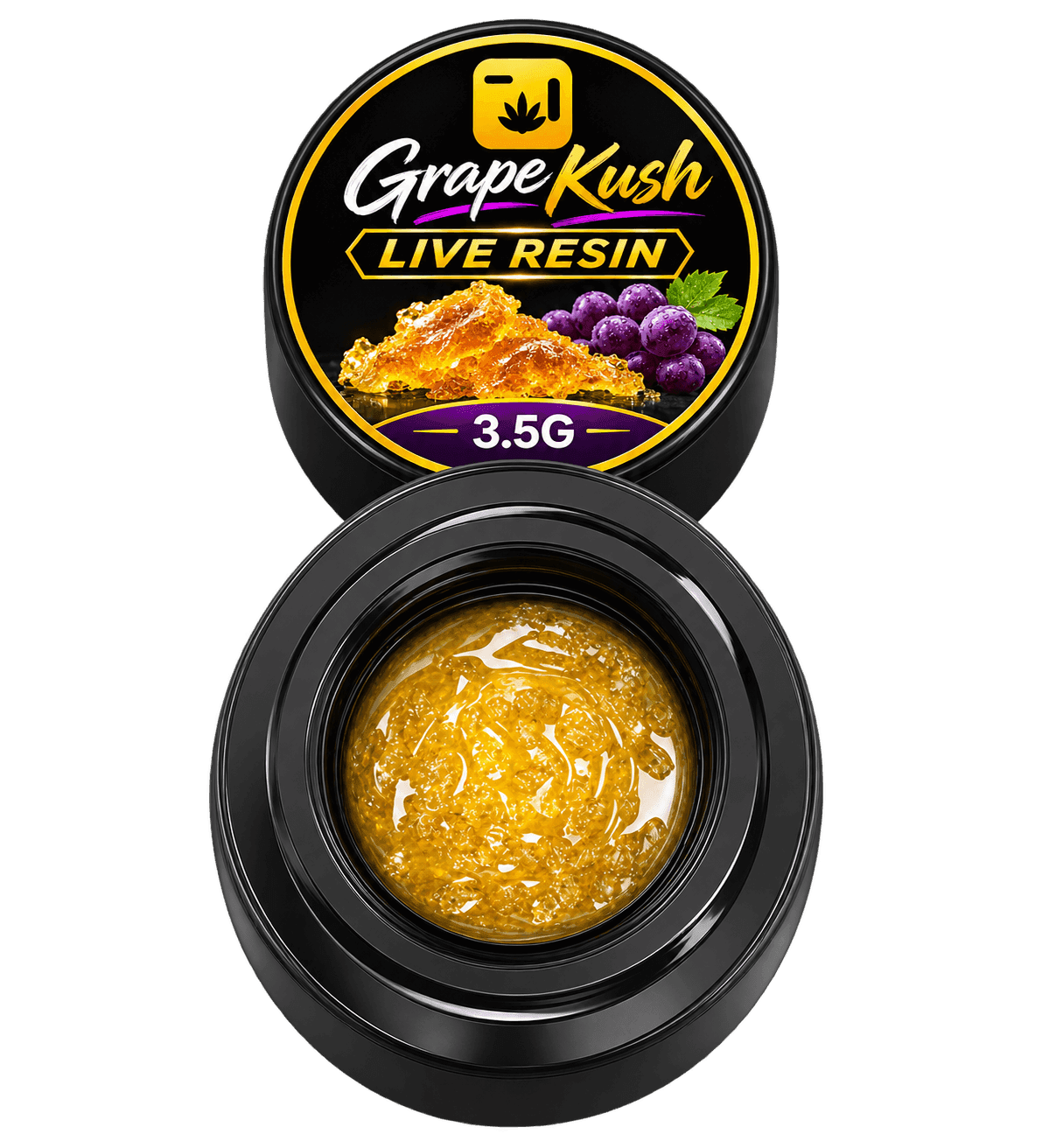
THC (tetrahydrocannabinol) is the primary psychoactive compound found in the cannabis plant. It is one of more than one hundred naturally occurring cannabinoids, and it is largely responsible for the characteristic effects people associate with cannabis. This guide explains what THC is, how it works, and what to consider before choosing a product.
How THC Works
THC interacts with the body's endocannabinoid system (ECS), a network of receptors that helps regulate functions such as mood, appetite and sleep. When THC is consumed, it binds to cannabinoid receptors in the brain and nervous system, which is what produces its psychoactive effects.
- THC primarily binds to CB1 receptors, which are concentrated in the brain and central nervous system.
- The effects and their intensity depend on dose, consumption method and individual tolerance.
- Inhalation tends to produce effects quickly, while edibles take longer to act and can last longer.
The ECS also includes CB2 receptors, found mainly in immune tissue, and the body's own endocannabinoids, which THC mimics at the same receptor sites.
THC Levels & What They Mean
THC levels are usually expressed as a percentage of dry weight for flower, or in milligrams for edibles and concentrates. A higher percentage does not automatically mean a better product - it simply indicates potency.
- Low-THC flower typically contains around 5-10% THC and is often described as a milder option.
- High-THC flower can reach 20-30% or more and is generally reserved for experienced users.
- Beginners are generally advised to start with lower levels and increase gradually.
A percentage describes the material, not the dose you receive.
Common Forms of THC
THC is available in several different forms, each with its own onset time, duration and method of use.
- Dried flower is the most traditional form and is typically vaporised or used with a dry-herb device.
- Edibles, such as gummies and baked goods, are consumed orally and take longer to take effect.
- Concentrates and extracts, including oils and waxes, offer higher potency per gram.
- Vape cartridges provide a convenient, pre-filled option for vaporising.
THC vs Other Cannabinoids
THC is often compared with CBD, the other most widely known cannabinoid, but they behave quite differently.
- THC is psychoactive, while CBD is non-intoxicating and does not produce a "high".
- Both interact with the endocannabinoid system, but through different mechanisms.
- Other minor cannabinoids, such as CBG and CBN, are present in smaller amounts and are being studied separately.
The two best-known cannabinoids are compared in more detail in THC vs CBD.
Choosing the Right THC Product
When selecting a product, start with a clear idea of your experience level and preferred consumption method.
- Check the labelled THC percentage or milligram content before purchasing.
- Choose a form that suits your lifestyle, whether that is flower, edibles or a vape.
- Begin with a small amount and wait to observe effects before consuming more.
What THC Does in the Body
THC's best-known effects come from its action on CB1 receptors in the brain. Reported effects are dose-dependent and vary widely between people:
- Euphoria, relaxation and a changed sense of time.
- Increased appetite and, in some people, dry mouth or red eyes.
- Altered short-term memory, concentration and coordination.
- At higher doses, anxiety, paranoia, racing thoughts or nausea.
Because coordination and reaction time are affected, driving or operating machinery after use is not advisable.
How the Method of Use Changes the Experience
The same product can behave differently depending on how it is consumed. Onset and duration are approximate and vary by person and dose.
| Method | Typical onset | Typical duration |
|---|---|---|
| Smoked or vaporised flower | Within minutes | A few hours |
| Vape cartridge | Within minutes | A few hours |
| Edibles and drinks | 30 minutes to 2 hours | Several hours, often longer than inhaled forms |
| Oils taken under the tongue | Slower than smoking | Intermediate |
Inhaled THC peaks quickly, which makes the dose easy to judge but harder to undo. Edibles pass through the digestive system and liver, so the effect arrives late and lasts longer - the main reason people take a second serving too soon.
Common Misconceptions About THC
- "Higher THC always means a better experience." Potency is not the same as quality.
- "Raw flower is intoxicating as soon as you buy it." Most THC in fresh flower begins as THCa and only becomes THC when heated.
THC and the Law in the UK
For UK readers, the practical position is straightforward. Cannabis, including THC-containing flower, is a Class B controlled drug under the Misuse of Drugs Act 1971, so possession, supply and production without a licence are unlawful. A narrow route exists for cannabis-based products prescribed by a specialist doctor for named patients. General information is set out in UK cannabis law; nothing on this page is legal advice.
Products described here are intended for research and collection purposes only and are strictly for customers aged 21 and over. Orders are delivered in sealed packaging, with convenient InPost locker collection available across the UK.
Frequently Asked Questions
What does THC stand for?
Tetrahydrocannabinol. It is the main psychoactive cannabinoid in cannabis and the compound responsible for the intoxicating effects.
How long do THC effects last?
It depends on the method and the dose. Inhaled THC is usually felt within minutes and fades over a few hours, while edibles typically take 30 minutes to two hours to be felt and last considerably longer.
Does THC show up on a drug test?
Yes. THC and its metabolites can be detected in urine, saliva, blood or hair. Detection windows vary with how often someone uses, their metabolism and the test used, and regular use is detected for longer than one-off use.
Can you build a tolerance to THC?
Yes. Frequent use can reduce sensitivity to THC's effects, meaning more is needed for the same result. Tolerance eases after a break, but that also means a dose someone handled before a break may be too much afterwards.
Is THC legal in the UK?
No. Cannabis, including THC-containing flower, is a Class B controlled drug, and possession or supply without legal authority is an offence. The only lawful route is a prescription from a specialist doctor for a named patient.
All information on this page is provided for research and collection purposes only and is intended for readers aged 21 and over.