Live Resin vs Shatter: Key Differences
Live resin and shatter are two of the most recognisable cannabis concentrates, yet they are almost opposites in texture, flavour and character. Both are solvent-based extracts, but how each is made shapes everything from aroma to handling.
- Texture: Live resin is soft, sappy and slightly runny; shatter is a hard, brittle sheet that snaps cleanly.
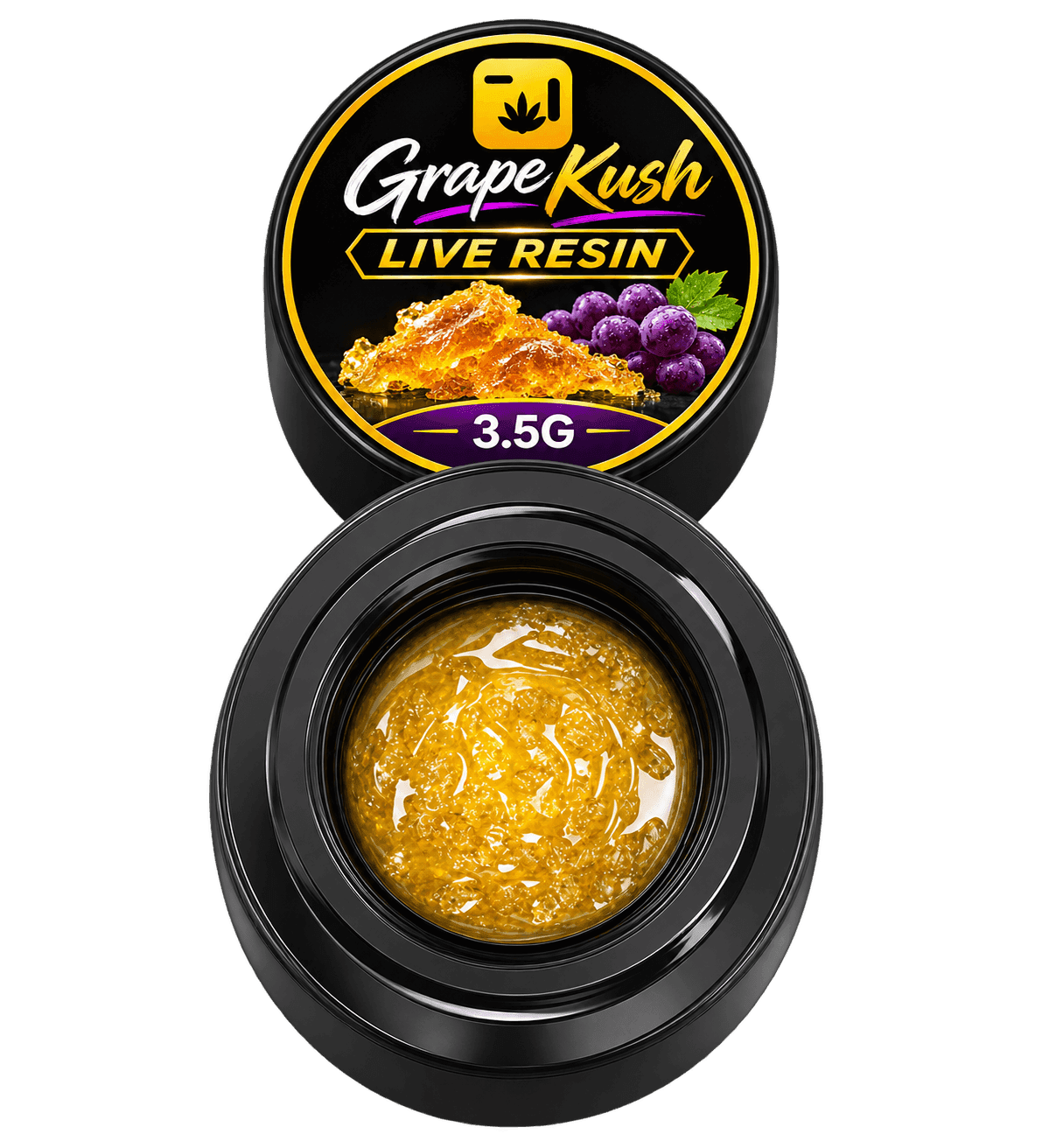
- Appearance: Shatter is translucent and glass-like; live resin is more opaque, from pale gold to wet amber.
- Flavour: Live resin carries a fuller terpene profile; shatter is cleaner and more neutral.
- Stability: Shatter holds its shape at room temperature; live resin needs cooler storage.
How Each Is Made
The defining difference begins at harvest.
Live resin is made from plant material flash-frozen immediately after cutting, rather than dried and cured. Freezing locks in volatile terpenes that would otherwise evaporate. The frozen material is then extracted with a cold solvent, usually butane or propane, capturing the plant's fresh, aromatic profile.
Shatter is typically made from dried and cured flower or trim. The material is run through a solvent extraction, and the oil is purged and poured into a thin film, setting into a clear, glassy sheet.
Potency and Flavour
Both are concentrates, so both are significantly more potent than flower. Shatter can reach very high THC levels, often testing in the 80–90% range. Live resin is also potent, though its THC percentage is sometimes slightly lower — because it retains more terpenes.
The real distinction is flavour. Live resin is widely regarded as the superior choice for aroma and taste, with terpene levels often several times higher than shatter, which offers a cleaner, more neutral experience.
Best Uses for Each
- Live resin suits dabbing and vaporising, where its flavour can be appreciated at lower temperatures. It is also popular for adding to flower.
- Shatter suits dabbing too, and its brittle nature makes it easy to snap into measured portions for precise dosing.
How to Choose
Choose live resin if flavour, aroma and a fuller terpene experience are what you are after — the go-to for connoisseurs.
Choose shatter if you want a potent, straightforward, easy-to-handle concentrate with a clean profile — the practical choice for measured dosing and long-term storage.
There is no objectively "better" option — only the one that suits your priorities.
Side-by-Side Comparison
| Factor | Live resin | Shatter |
|---|---|---|
| Starting material | Fresh-frozen plant | Dried and cured flower or trim |
| Extraction | Chilled hydrocarbon solvent | Hydrocarbon solvent |
| Appearance | Opaque, wet gold to amber | Translucent, glass-like |
| Texture | Soft, sappy, granular | Hard, brittle, snaps |
| Terpene content | High | Lower |
| Flavour | Full, aromatic, cultivar-specific | Cleaner and more neutral |
| Handling | Sticky; needs a tool and care | Easy to portion and snap |
| Storage | Cool, airtight, temperature stable | Cool, dark, airtight |
| Best suited to | Flavour-focused users | Measured, practical dosing |
How Processing Drives the Difference
Two choices in the process do most of the work.
The first is the input. Live resin starts from fresh-frozen plant, so the volatile aromatics are still present when extraction begins. Shatter starts from dried and cured material, which is the same journey flower takes to burn smoothly — and that journey costs aroma.
The second is heat during the purge. Shatter is deliberately left undisturbed so it can set into a clean sheet, but it is purged with heat, which drives off the most delicate compounds. Live resin is processed cold throughout to keep that profile intact.
Storage and Shelf Life
Shatter is the more forgiving of the two: it holds its shape at room temperature and keeps well, suffering only if left somewhere warm or humid.
Live resin is more temperamental. Its terpene-rich, often sappy texture reacts to temperature swings, and each warm-cold cycle costs a little aroma. Practically:
- Store shatter cool, dark and airtight, away from radiators and windows.
- Store live resin cool and airtight as well, and let the container reach room temperature before opening to avoid condensation.
- Keep both away from repeated handling and from plastic or silicone containers that can interact with terpenes.
Cost and Value
Live resin generally commands a higher price than shatter. The reasons are structural rather than fashionable: fresh-frozen material has to be kept frozen from harvest through extraction, yields less per gram of plant, and the whole process is slower.
Shatter is comparatively cheap to make because cured trim is abundant. What you are paying for with live resin is aroma; what you pay less for with shatter is stability and shelf life.
Legal Position for UK Readers
Both products are treated the same way in law. THC-containing concentrates are controlled substances under the Misuse of Drugs Act 1971, and it is unlawful to possess, supply or produce them outside narrow licensed exceptions. The texture, the price and the production method make no difference to that.
This article is written for educational and research purposes and does not encourage or facilitate unlawful activity. Treat the legal information here as a starting point for your own research, not as legal advice.
Frequently Asked Questions
Is live resin stronger than shatter? Not necessarily. Shatter often tests higher in THC, but live resin delivers a fuller range of compounds and terpenes.
Does shatter last longer than live resin? Shatter is more stable at room temperature and easier to store long-term.
What does live resin look like? It varies from a wet, golden sap to a soft, granular or budder-like texture.
Which is easier for a beginner to handle? Shatter, because it snaps into portions and does not stick to everything. Live resin's sappy texture makes it messier and harder to portion accurately.
Is one of them legal in the UK? No. Both are controlled substances in the UK, and neither is legal to buy, possess or supply outside limited licensed medical routes.
Further Reading
-
What Is THC? — the compound behind concentrate potency
-
How to Store Weed — storage principles that protect aroma
-
Hash vs Weed — how resin products compare with flower
-
What Is Live Resin?
-
What Is Shatter?
-
Concentrates Explained: A Beginner's Guide
All information on this page is provided for research and collection purposes only and is intended for readers aged 21 and over.