What Are Terpenes?
Terpenes are aromatic organic compounds produced by many plants, including cannabis. They give pine, citrus and lavender their familiar scents — and in cannabis, they largely determine how a cultivar smells and tastes.
In the plant, terpenes are secreted by the same glandular trichomes that produce THC and CBD. More than 150 terpenes have been identified in cannabis, and this profile is shaped by genetics, growing conditions and harvesting methods.
Common Terpenes in Cannabis
- Myrcene — earthy and musky, with notes of ripe fruit and cloves. Also found in mangoes and hops.
- Limonene — a bright, citrusy terpene found in citrus rind.
- Pinene — the smell of pine needles and rosemary, in alpha- and beta- forms.
- Caryophyllene — spicy and peppery, present in black pepper and cloves.
- Linalool — floral and lavender-like.
- Humulene — earthy and woody, giving hops their aroma.
How Terpenes Affect Aroma and Flavour
A cultivar's smell is a read-out of its terpene profile. Terpenes are volatile, meaning they evaporate easily at low temperatures:
- Handling flower releases aroma as terpenes escape into the air.
- During vaporisation, different terpenes evaporate at different temperatures, shifting the flavour.
- With poor storage, terpenes degrade and the scent fades.
Airtight storage away from heat and light preserves a cultivar's character.
Current Research
Terpenes are an active area of study. Researchers are interested in how they might work with cannabinoids, a concept often described as the entourage effect — the theory that compounds may act differently together than alone.
Much of this research is still in its early stages, and the findings are preliminary and not intended as medical or health advice.
How to Choose by Terpene Profile
Terpenes help you anticipate a product's aroma and flavour:
- Follow your nose — choose limonene-dominant cultivars for citrus notes, or myrcene-rich ones for earthy notes.
- Read the description — reputable retailers list a cultivar's dominant terpenes.
- Consider your method — lower vaporisation temperatures preserve delicate terpenes.
- Store well — keep products sealed in a cool, dark place.
When ordering, look for suppliers with clear cultivar information and secure, well-sealed packaging — for example, sealed, odour-neutral packaging delivered to an InPost locker near you.
Where Terpenes Are Made in the Plant
Terpenes are produced in glandular trichomes, the tiny resin heads concentrated on the flower and, to a lesser extent, on the surrounding leaves and stems. Because the same structures secrete both resin and aromatic oil, a flower with heavy trichome coverage usually carries a stronger, more layered smell.
Production is not constant. It builds through the flowering cycle, peaks as the plant approaches maturity, and declines once the material is cut. Harvest timing, light intensity, temperature swings and drying conditions each leave a fingerprint on the result, which is why two examples of the same cultivar grown in different rooms rarely smell identical.
Terpene Reference Table
| Terpene | Aroma | Also found in |
|---|---|---|
| Myrcene | Earthy, musky, ripe fruit | Mango, hops, lemongrass |
| Limonene | Bright citrus | Citrus peel, juniper |
| Pinene | Pine, rosemary | Pine needles, rosemary, basil |
| Caryophyllene | Peppery, spicy | Black pepper, cloves, cinnamon |
| Linalool | Floral, lavender | Lavender, coriander, birch |
| Humulene | Earthy, woody | Hops, coriander, sage |
| Terpinolene | Herbal, floral, faint citrus | Nutmeg, lilac, tea tree |
| Ocimene | Sweet, herbal, green | Mint, parsley, kumquat |
Chemists sort these compounds into two families. Monoterpenes are the lighter molecules — the bright top notes that hit when a container is opened. Sesquiterpenes are heavier and evaporate more slowly, so they linger longer. The mix explains why flower can smell sharply citrus at first and then settle into something earthier.
How Terpene Profiles Differ Between Products
Terpene content is not the same across product types, even when they start from the same plant.
- Flower carries the full trichome profile at the lowest concentration by weight.
- Kief and hash are made largely of trichomes, so they hold proportionally more aromatic material per gram.
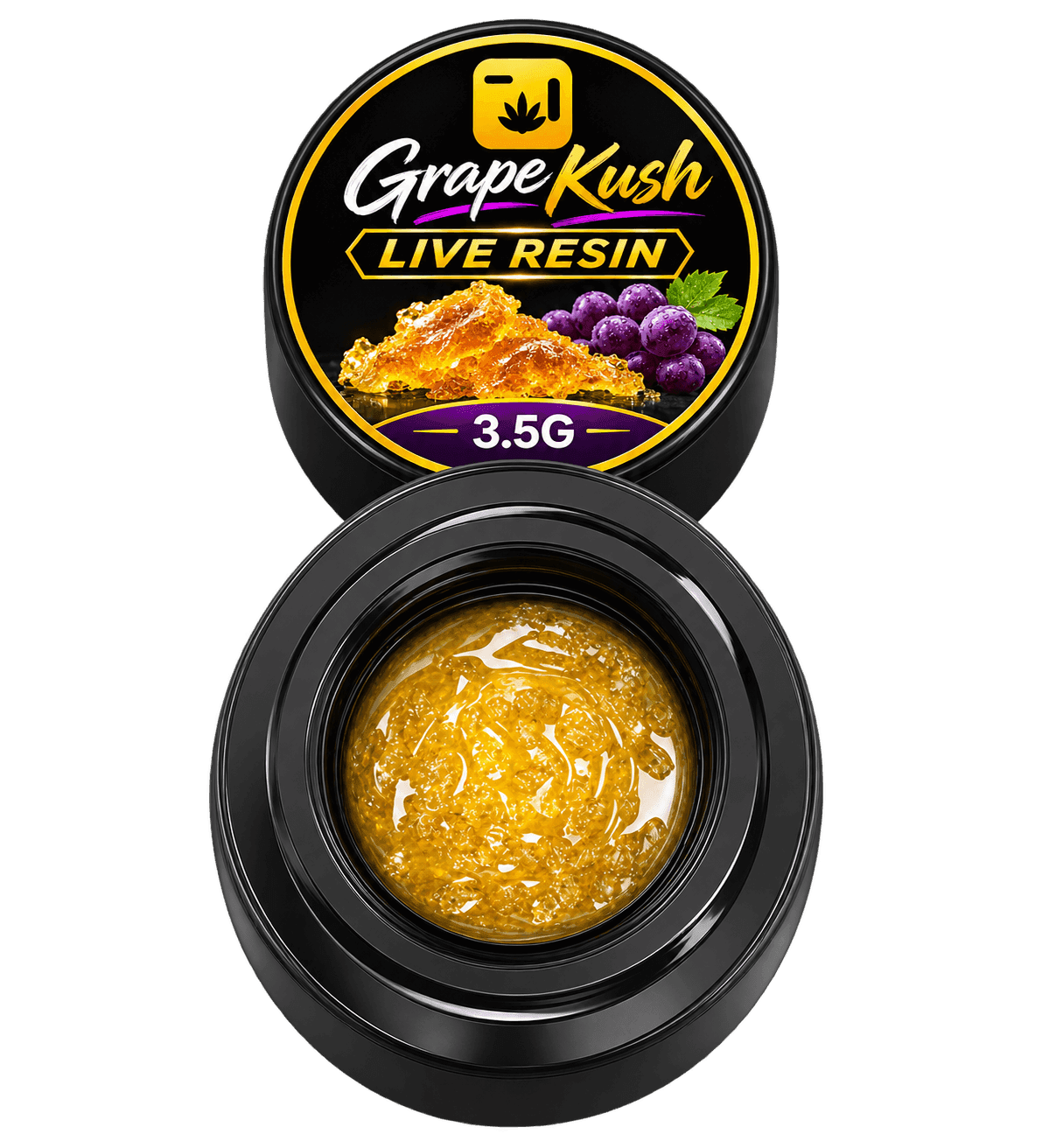
- Live resin is extracted from fresh-frozen plant material specifically to keep volatile terpenes intact, which generally makes it the most aromatic concentrate.
- Shatter and distillate go through more heat and processing, so they tend to retain fewer terpenes; distillate in particular is refined towards near-pure THC with most of the aroma stripped away.
Preserving Terpenes at Home
Terpenes are volatile, so they leave the moment conditions allow. Heat, direct light, oxygen and repeated opening of a container all speed up the loss.
- Keep material in an airtight container rather than a plastic bag.
- Store it somewhere cool and dark, away from radiators and windowsills.
- Handle it briefly and reseal promptly — every time a container is opened, aroma escapes.
- Grind only what you intend to use, as ground material exposes far more surface area to air.
- Expect the smell to fade over months even under good conditions. Terpene loss is gradual and not reversible.
Frequently Asked Questions
Are terpenes only found in cannabis? No. Terpenes are widespread in nature and responsible for many familiar scents.
Do terpenes get you high? Terpenes are not psychoactive like THC. They contribute to aroma and flavour.
Are terpenes legal? Individual terpenes such as limonene and pinene are widely used in foods, cosmetics and cleaning products. The legal status of cannabis, which contains terpenes alongside controlled cannabinoids, depends on local law.
How many terpenes does cannabis produce? More than 150 have been identified in cannabis so far, although in any single cultivar a small handful usually dominates the smell.
Do terpenes appear on lab reports? In regulated markets, testing labs often report a terpene profile alongside cannabinoid content. In unregulated markets such documents are easy to fabricate and cannot be independently verified.
Further Reading
- THC vs CBD — how the two best-known cannabinoids compare
- Hash vs Weed — how pressed resin differs from flower
- How to Store Weed — keeping aroma and quality intact
Explore our guides on the cannabis plant and how different products are made, or browse our catalogue to see cultivar descriptions and terpene profiles.
All information on this page is provided for research and collection purposes only and is intended for readers aged 21 and over.