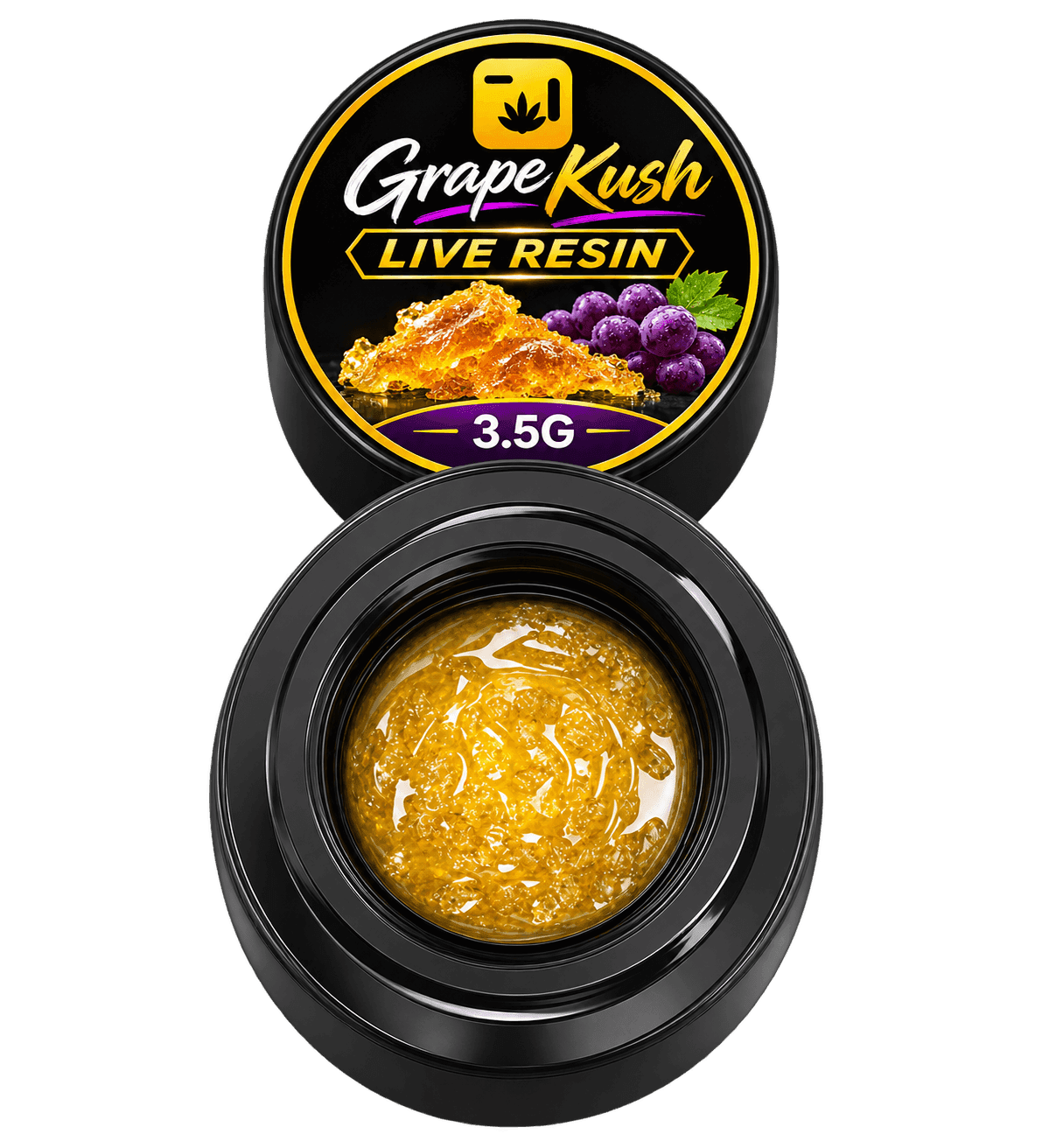
CBD flower is the most widely sold unlawful cannabis product in the UK, which is worth stating at the top of a page because most people encounter it in a shop or an online listing that looks entirely ordinary. It is not.
What the law says
Cannabis, cannabis resin and any preparation containing THC are controlled as Class B drugs under the Misuse of Drugs Act 1971. That control attaches to the plant material itself.
CBD products containing no more than 0.2% THC can be sold lawfully as consumer products, subject to food-safety rules. That is the exemption which makes CBD oil, edibles and drinks ordinary shop stock.
CBD flower is the plant — the dried flower of the cannabis plant — and it does not qualify for that exemption. The 0.2% threshold applies to processed consumer products, not to plant material. A flower with very low THC is still cannabis, and selling it is still supply.
Why it is sold anyway
The market exists for three reasons, and each is worth understanding.
The packaging is persuasive. Flower sold as "CBD hemp tea" or "aroma product" arrives in branded, compliant-looking packaging with lab certificates attached, which creates the impression that a regulator has looked at it.
The claim is plausible-sounding. Sellers argue the flower is below the THC threshold, which is true as far as it goes and irrelevant to the question of lawfulness.
Enforcement arrives late. Retailers have been selling it openly for years, which is read as permission. It is not: several high street operators have faced enforcement action, and the pattern in this market has always been that the product leads and the enforcement follows.
What this means for a buyer
Buying CBD flower is possession of cannabis, and the exemption that applies to CBD oil does not apply to it. The risk is not the CBD; it is the plant material.
That is also why the certificates matter less than they appear to: a lab report saying the THC content is low is a statement about chemistry, not about legality.
What is lawful instead
CBD products within the 0.2% THC threshold: oils, edibles, drinks and topicals sold as consumer products. These are the ones you will find in ordinary shops, and the ones the exemption was written for.
If what you want is the effect of THC rather than CBD, the lawful route in the UK is a prescription from a specialist — and our medical cannabis pages explain how that works, including why most prescriptions end up being paid for privately.
The two claims that do not hold
"The THC content is below the legal limit, so it is legal." The threshold governs processed products. Plant material is controlled regardless.
"It is sold in shops, so it must be lawful." Merchandise on a shelf is a statement about a retailer's judgement, not about the law.
Questions people ask
Is CBD flower legal in the UK? No. It is cannabis plant material and it is controlled.
Can I buy CBD flower legally? No. There is no lawful retail channel for it.
Is CBD flower the same as CBD oil? No. Oil is a processed product within the 0.2% THC threshold, which is the category the exemption covers.
If the THC level is very low, is it legal? No. The threshold does not turn plant material into a lawful product.
Is hemp flower legal? The naming does not change what it is. Flower from the cannabis plant is controlled.
Is CBD itself legal? Yes, within the 0.2% THC threshold, subject to food-safety rules.
Will I be prosecuted for buying it? Enforcement in this area has fallen mainly on sellers, but that is a question of practice and not of law.
Does a lab certificate make it legal? No. It describes the contents, not the legal position.
What about CBD hash? Same answer: it is cannabis material, so it is not covered by the consumer-product exemption.
What is the lawful alternative? CBD products within the threshold, or a specialist prescription if what is wanted is THC.
General information, not legal advice. Intended for readers aged 21 or over.
Related reading: can you buy weed legally in the UK, is THC legal, UK cannabis law.